
Sorting Green Waste Rubbish Removal From General Household Waste
What does “green waste” mean in Australia, and why should they separate it?
Green waste is organic garden material like grass, leaves, small branches, and prunings that councils and facilities can turn into mulch or compost. Separating it reduces landfill, lowers methane emissions, and helps keep household red bins lighter. For many homes, Sorting Green Waste Rubbish Removal From General Household Waste also makes weekly bin routines quicker because each bin has a clearer purpose.
What usually counts as general household waste, and what does not?
General household waste is the everyday non-recyclable rubbish that cannot go into recycling, organics, or return schemes. Think soft plastics (unless collected separately), nappies, broken toys, and contaminated packaging. For larger clean-up needs, green waste and rubbish removal can help manage household waste that requires separate col
It is not the place for batteries, paint, e-waste, gas bottles, chemicals, or building rubble. Those items need drop-offs or specialist services across Australia.
Which items typically belong in a green waste bin or green waste load?
In most Australian councils, green waste includes lawn clippings, leaves, weeds, small sticks, bark, flowers, and prunings. Many also accept small branches up to a set diameter, often around a few centimetres, depending on local rules.
When booking a private pickup, they should still follow similar expectations because facilities reject loads that contain rubbish, plastic, or treated timber. Sorting Green Waste Rubbish Removal From General Household Waste starts with keeping garden organics clean and obvious.
What items are common “contaminants” that get green waste rejected?
The biggest contaminants are plastic bags, plant pots, soil-filled containers, rocks, glass, metal, and general rubbish mixed into garden piles. Treated pine, painted timber, and MDF are also frequent problems because they are not compostable.
Even “biodegradable” bags can be an issue in some areas, as not all Australian processing facilities accept them. If they are unsure, they should put green waste loose into the bin or use approved liners only.
How do Australian council bin systems affect their sorting?
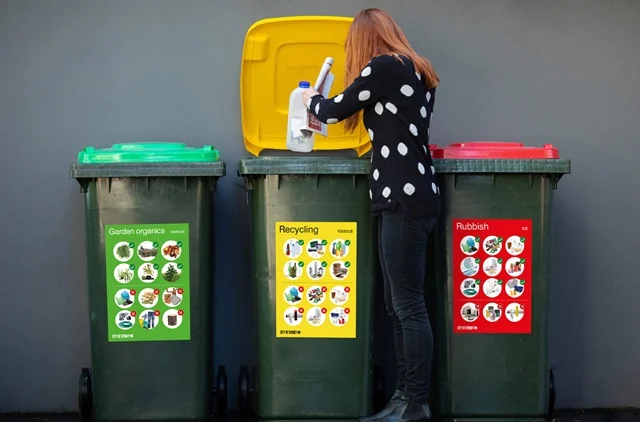
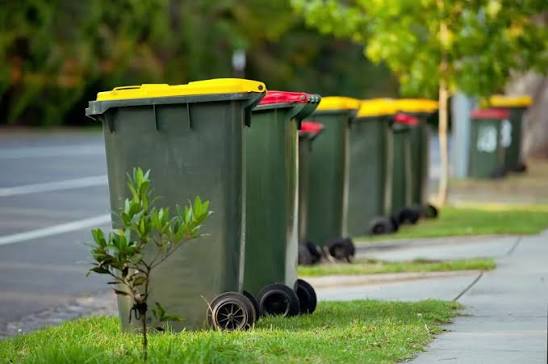
Australia does not have one uniform bin system. Many councils use a red-lid bin for general waste, a yellow-lid bin for recycling, and a green-lid bin for garden organics. Some councils also provide a Food Organics Garden Organics (FOGO) bin, often with a lime-green lid, which changes what can go in organics.
Because rules vary by suburb, the safest approach is checking the council website or bin sticker before collection day. Sorting Green Waste Rubbish Removal From General Household Waste works best when their sorting matches local processing.
Should they use a green waste bin, a skip, or a booked pickup?
A council green waste bin is generally suitable for ongoing garden maintenance such as mowing and regular pruning. A skip or booked pickup may be more practical for major clean-ups after a storm, moving house, or a large backyard overhaul, especially when following local green waste disposal rules.
If they have limited access, such as a tight townhouse driveway or inner-city lane, a pickup service can be simpler than a skip. For many properties, Sorting Green Waste Rubbish Removal From General Household Waste becomes easier when the removal method matches the job size.
How should they prepare green waste so removal is faster and cheaper?
They should keep green waste dry where possible, shake out excess soil, and remove all plastic ties, plant tags, and pots. Cutting branches down can reduce air gaps and help fit more into a bin or trailer.
Bundling sticks with natural twine can help, but plastic rope should be avoided. If they are using a pickup service, piling green waste in one accessible spot reduces labour time and can lower the overall cost of Sorting Green Waste Rubbish Removal From General Household Waste.
What is the simplest “two-pile” method for sorting during a garden clean-up?
They can sort into two clear piles from the start: one pile for organics only (grass, leaves, branches) and one pile for everything else (plastic, old edging, broken pots, scrap metal). This prevents cross-contamination that is hard to fix later.
If they need a third pile, it should be “hazardous or special waste” like chemicals, batteries, or e-waste for proper drop-off. Sorting Green Waste Rubbish Removal From General Household Waste is much easier when sorting happens at the source.
How do they handle soil, turf, rocks, and bricks that look “natural” but are not green waste?
Soil, rocks, concrete, bricks, and rubble are not green waste because they do not compost and can damage shredders and screens. Turf is tricky: some services accept small amounts if it is mostly grass and roots, while others class it as mixed waste because of soil weight.
They should ask the provider before loading. Misclassifying heavy materials is one of the fastest ways a load gets rejected and can derail Sorting Green Waste Rubbish Removal From General Household Waste.
Where do weeds, invasive plants, and prickly garden material belong?
Many councils allow weeds in green bins, but invasive species can have special rules to prevent regrowth. Prickly plants like rose cuttings can be accepted, yet they may need wrapping in layers of newspaper or placing carefully to protect collectors.
If they are dealing with declared weeds in their state, they should check local guidance first. Responsible handling is part of Sorting Green Waste Rubbish Removal From General Household Waste, especially when biosecurity matters.
What about food scraps if their council offers FOGO?
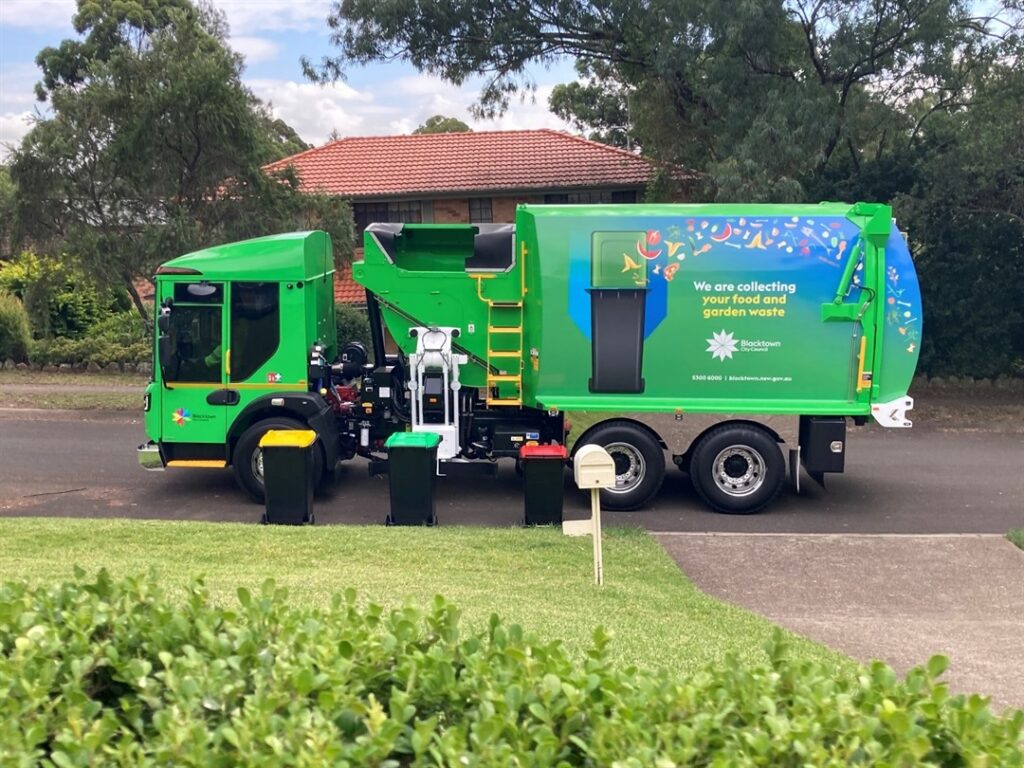
If they have a FOGO service, it may accept food scraps like fruit and veg peels, coffee grounds, eggshells, and even small bones, depending on the council. This can significantly reduce the general waste bin’s smell and weight.
If they do not have FOGO, food scraps usually belong in general waste unless they compost at home. They should not assume all green-lid bins accept food. Sorting Green Waste Rubbish Removal From General Household Waste depends on the exact organics program.
How can they avoid smells, flies, and mess while storing green waste?
They can keep the organics bin in shade, add dry leaves at the bottom, and avoid compressing wet grass too tightly. Letting grass clippings dry slightly before binning reduces odour and slime.
For FOGO caddies, using council-approved liners, freezing smelly scraps until collection day, and rinsing the caddy regularly helps. Clean storage supports consistent Sorting Green Waste Rubbish Removal From General Household Waste without unpleasant surprises.
When should they use a professional rubbish removal service instead of DIY?
They should consider a service when there is a large volume, limited vehicle access, time pressure, or a mix of waste streams that must be separated correctly. This is common after tenancy clean-outs, deceased estates, renovations, or major landscaping.
A good service can also help identify what can be recycled, what must go to landfill, and what can be processed as organics. For many households, Sorting Green Waste Rubbish Removal From General Household Waste is easier when the labour and logistics are handled professionally.
What questions should they ask a provider before booking green waste removal?
They should ask whether the load must contain only green waste, what level of contamination is tolerated, and whether mixed waste attracts an additional charge. It is also useful to confirm whether the provider accepts branches, palm fronds, bamboo, soil, or turf when arranging a council green waste pick up on a fixed Sydney schedule.
They should ask where the waste goes, such as a composting facility, transfer station, or landfill. Clear answers reduce disputes and keep Sorting Green Waste Rubbish Removal From General Household Waste on track.
What are the most common mistakes Australians make when sorting green waste and general waste?
They often bag green waste in plastic, throw plant pots into the green bin, or hide general rubbish under lawn clippings. Another common mistake is mixing timber offcuts with branches, especially treated pine from garden beds or fences.
Overfilling bins so lids do not close is also a frequent issue and can lead to missed collections. Avoiding these basics makes Sorting Green Waste Rubbish Removal From General Household Waste straightforward.
How can they create a simple household system that keeps sorting consistent?
They can set up a small “garden-only” tub near the back door for clippings and prunings and a separate tub for non-organics like pots and ties. Labelling bins clearly and keeping a pair of gloves and secateurs nearby makes the routine frictionless.
A quick weekly check of the green bin for stray rubbish prevents contamination. Consistency is the real secret behind Sorting Green Waste Rubbish Removal From General Household Waste.
What should they do if they accidentally mix green waste with general waste?
If it is only a small amount, they should remove the contaminant before collection or before a pickup arrives. If a mixed pile is already created, they can re-sort using the two-pile method, starting from the top and working down.
If they cannot separate it, they should tell the provider, as it may need to be treated as general waste. Being honest early prevents rejected loads and extra fees tied to Sorting Green Waste Rubbish Removal From General Household Waste.
What is the practical takeaway for sorting green waste the right way?
They should keep garden organics clean, loose, and free of plastics, soil, and timber, then match their approach to local council rules or the facility a provider uses. When in doubt, they should check council guidance or ask the remover before loading.
With a simple household system, Sorting Green Waste Rubbish Removal From General Household Waste becomes a quick habit that saves time, reduces landfill, and keeps bins working as intended across Australian homes.
FAQs (Frequently Asked Questions)
What is green waste in Australia and why should households separate it from general rubbish?
Green waste in Australia refers to organic garden materials such as grass, leaves, small branches, and prunings. Separating green waste reduces landfill, lowers methane emissions, keeps household red bins lighter, and helps councils turn this waste into useful mulch or compost. It also makes weekly bin routines quicker by clarifying the purpose of each bin.
What items are typically considered general household waste and should not go into recycling or green waste bins?
General household waste includes everyday non-recyclable rubbish like soft plastics (unless collected separately), nappies, broken toys, and contaminated packaging. It excludes batteries, paint, e-waste, gas bottles, chemicals, and building rubble which require specialist drop-off services.
Which materials commonly belong in a green waste bin or green waste load?
Materials accepted in green waste bins usually include lawn clippings, leaves, weeds, small sticks, bark, flowers, prunings, and small branches up to a few centimetres in diameter depending on local council rules. It’s important to keep garden organics clean and free from rubbish or plastic to avoid rejection by processing facilities.
What are common contaminants that cause green waste loads to be rejected by processing facilities?
Common contaminants include plastic bags, plant pots filled with soil, rocks, glass, metal objects, general rubbish mixed in garden piles, treated pine, painted timber, MDF wood products, and even some biodegradable bags not accepted by all Australian facilities. Using loose green waste or approved liners helps prevent contamination.
How do Australian council bin systems impact sorting of green waste and general rubbish?
Australian councils vary in their bin systems; many use red-lid bins for general waste, yellow-lid for recycling, and green-lid for garden organics. Some provide Food Organics Garden Organics (FOGO) bins with lime-green lids which alter acceptable organics. Since rules differ by suburb, it’s best to check local council websites or bin stickers before collection day to ensure correct sorting.
When should households use a green waste bin versus a skip or booked pickup service for garden rubbish removal?
A council green waste bin is suitable for regular garden maintenance like mowing and pruning. For large clean-ups after storms or major yard overhauls, skips or booked pickup services are more appropriate. Limited access properties may find pickup services simpler than skips. Matching the removal method to the job size helps make sorting green waste removal more efficient and cost-effective.