
Council Green Waste Pick Up Runs on a Fixed Sydney Schedule

This guide explains how the fixed schedule works across Sydney, how to check the right dates, and what to do when a service is missed.
What does a fixed Sydney schedule actually mean for green waste collection?
A fixed schedule means the council sets collection weeks or booked dates that repeat across suburbs and streets. For residents, council green waste pick up is not “whenever it’s ready,” but aligned to the council’s published timetable.
They will usually collect either a bundled pile, a booked pile, a green bin, or a mix of these, depending on the local council.
Which Sydney councils run booked pick-ups versus set-date collections?
It depends on the local government area, because Sydney is made up of many councils with different systems. Some councils publish suburb-by-suburb set collection weeks, while others require residents to book a green waste collection service for a specific date.
If residents are unsure, the fastest answer is on the council website under waste services, where council green waste pick up rules are typically listed by address.
How can residents find their exact pick-up dates by address?
Most Sydney councils provide an online look-up tool where residents enter their street address and get collection details. That tool usually shows bin nights, any booked clean-up options, and any scheduled garden organics collection weeks.
To avoid mistakes, they should confirm whether the dates relate to council green waste pick up piles, green-lid bins, or a separate bulky clean-up service.
What should be put out, and what will councils refuse?
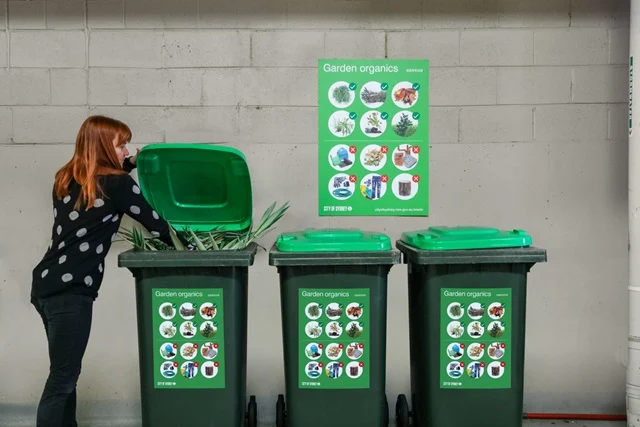
Sydney councils usually accept garden organics like leaves, small branches, twigs, weeds, and prunings. They commonly refuse treated timber, soil, turf (in some areas), food waste, plastic bags, and anything contaminated with rubbish.
If the pile includes wrong items, council green waste pick up can be refused, delayed, or left behind with a tag explaining why.
How should green waste be prepared so it is actually collected?
Preparation is usually the difference between a smooth service and a rejected pile. They should follow the council’s size, weight, and bundling rules, and keep the pile neat and accessible.
For many areas, council green waste pick up requires branches to be tied into bundles, with individual lengths and thickness limited so crews can lift them safely.
Where should residents place green waste for collection?
Most councils ask residents to place green waste on the nature strip in front of their property, not on the road and not blocking footpaths. They should keep it away from trees, poles, fire hydrants, stormwater drains, and parked cars.
If access is blocked, council green waste pick up might be skipped because crews cannot safely load the material.
How far in advance should green waste be put out?
Councils typically ask residents to put piles out the night before or by early morning on collection day. Putting them out too early can create street clutter, encourage illegal dumping, and in some areas result in complaints or fines, so residents should check their local council collection guidelines first.
To match the fixed timetable, they should time council green waste pick up placement as close as possible to the scheduled date.
What are the common pile size and bundle limits across Sydney?
Limits vary by council, but many set a maximum pile volume (often measured in cubic metres), a maximum branch thickness, and a maximum bundle weight. Some councils also set a maximum number of booked collections per year.
Residents should treat the limits as strict, because council green waste pick up crews may not be able to take oversized logs or heavy, tangled piles.
What happens if residents miss the scheduled pick-up?
If they miss it, the council may not come back until the next cycle, unless the system allows a booking or there is a genuine service failure. Some councils will advise residents to store the waste and wait, while others may suggest using the green bin or a drop-off facility.
In most cases, missing council green waste pick up means waiting for the next listed week or arranging an alternative.
What should residents do if the council didn’t collect the pile?
If the waste was placed correctly and meets the rules, they should report it through the council’s online form or customer service line. Councils may ask for the address, the scheduled date, and a photo showing the pile and location.
A quick report helps confirm whether council green waste pick up was missed due to a route issue, contamination, or access problems on the day.
How does green bin collection fit into the schedule?
In many Sydney suburbs, a green-lid garden organics bin is collected weekly or fortnightly, separate from any bulky clean-up. This bin service is a predictable way to manage routine pruning and lawn waste without building a large pile.
Where available, they can rely on the bin for small amounts and save council green waste pick up piles for seasonal clean-ups.
Are there seasonal patterns that affect green waste volumes in Sydney?
Yes, garden growth and weather patterns matter. Spring and early summer often generate more prunings, while autumn can create large volumes of leaves, especially in leafy suburbs near bushland and older street trees.
Because volumes spike, residents should plan ahead and book or prepare council green waste pick up as soon as their council opens that window.
What are the best alternatives when the schedule does not suit?
If the timing is wrong, they can use the green bin (if available), take a trailer to a local waste facility that accepts garden organics, or hire a small garden waste removal service. Another option is to compost suitable material at home, depending on space and strata rules.
These alternatives help avoid leaving material out early and missing council green waste pick up dates.
How can strata buildings and townhouses manage green waste on a fixed schedule?
For strata, the main challenge is shared space and shared responsibility. They should confirm whether the building has green bins, a contracted gardening service, or access to council booked collections, as rules can differ for multi-unit dwellings.
Clear signage and a building notice about council green waste pick up dates reduces contamination and keeps common areas tidy.
What safety and neighbourhood rules should residents keep in mind?
They should avoid blocking footpaths, forcing prams or wheelchairs onto the road, or creating hazards near intersections. They should also keep piles away from stormwater drains to prevent leaf litter washing into creeks and waterways after rain.
Good placement supports safer streets and smoother council green waste pick up operations for everyone on the route.
What is the simplest way to stay on top of the schedule year-round?
They should save the council collection calendar, sign up for SMS or email reminders where available, and set recurring phone calendar alerts. Many councils also provide downloadable PDFs or address-based app reminders, which can make sorting green waste rubbish removal from general household waste easier.
With a few reminders in place, council green waste pick up becomes a routine service rather than a last-minute scramble.
What should residents remember before putting anything out?
They should confirm the correct service type, check the date, and follow the preparation rules exactly. In Sydney, councils are consistent when the material is compliant and accessible, but they are also quick to refuse contaminated or oversized piles.
When they work with the fixed timetable, council green waste pick up is one of the easiest ways to manage garden waste without extra cost or hassle.
FAQs (Frequently Asked Questions)
What does a fixed Sydney schedule mean for council green waste pick up?
A fixed Sydney schedule means that council green waste pick up occurs on set collection weeks or booked dates that repeat across suburbs and streets. Residents cannot put out green waste whenever they like; instead, collections align with the council’s published timetable, which may involve bundled piles, booked services, green bins, or a combination depending on the local council.
How can Sydney residents find their exact council green waste pick up dates?
Most Sydney councils provide an online look-up tool where residents can enter their street address to find specific collection details. This tool usually shows bin nights, booked clean-up options, and scheduled garden organics collection weeks. It’s important to confirm whether the dates relate to green waste piles, green-lid bins, or bulky clean-up services to avoid confusion.
What types of green waste are accepted and what items do councils refuse?
Sydney councils typically accept garden organics such as leaves, small branches, twigs, weeds, and prunings. They usually refuse treated timber, soil, turf (in some areas), food waste, plastic bags, and any materials contaminated with rubbish. Incorrect items in the pile can lead to refusal or delay of collection with a tag explaining why.
How should residents prepare their green waste for successful council collection?
Residents should follow their council’s size, weight, and bundling rules to ensure smooth service. This often includes tying branches into bundles with limits on length and thickness so crews can safely lift them. Keeping the pile neat and accessible is essential to avoid rejection or missed pickups.
Where and when should residents place their green waste for council collection?
Green waste should be placed on the nature strip in front of the property—not on roads or blocking footpaths—and kept clear of trees, poles, fire hydrants, stormwater drains, and parked cars. Typically, councils ask that piles go out the night before or by early morning on the scheduled collection day to prevent street clutter and illegal dumping.
What happens if a resident misses their scheduled council green waste pick up?
If the scheduled pickup is missed, most councils will not return until the next cycle unless there is an option to book an alternative date or a genuine service failure occurred. Residents may be advised to store their green waste until the next collection or use other services like green bins or drop-off facilities as alternatives.