
How Climate Affects Air Conditioning Castle Hill Households Choose
In Sydney’s north-west, hot spells, humidity swings, and stormy afternoons can all hit within the same week. That mix is why air conditioning Castle Hill households choose often prioritises both strong cooling and smart control.
How does Castle Hill’s summer heat shape the air conditioning Castle Hill households choose?
Hot, dry days push systems to work harder and longer, so capacity and efficiency matter immediately. Many households lean toward inverter technology and correctly sized units for sustained performance.
When heatwaves roll through Greater Sydney, undersized systems can run nonstop without reaching set temperatures. That is a common reason air conditioning Castle Hill households choose is sized using room area, ceiling height, insulation, and sun exposure, not guesswork.
Why does humidity influence the air conditioning Castle Hill households choose?
Humidity affects comfort even when temperatures are moderate, so moisture removal becomes a key requirement. Systems with better dehumidification modes can make rooms feel cooler at higher set points.
On muggy days after summer storms, some households find a basic cool-only approach leaves spaces feeling sticky. This is why Castle Hill air con households choose may include dry mode performance, variable fan control, and zoning to avoid overcooling
What role do Western Sydney heatwaves play in system sizing?
Heatwaves raise outdoor temperatures and night-time minimums, reducing opportunities for homes to cool naturally. Many households choose slightly more robust solutions to avoid the system falling behind.
Sizing is not about buying the biggest unit available. It is about matching load to conditions, which is why air conditioning Castle Hill households choose is often based on a proper heat-load assessment, especially for open-plan living areas.
How do winter cold snaps affect reverse-cycle choices?
Castle Hill winters are mild compared with regional NSW, but cold nights still make heating performance important. Reverse-cycle split systems are common because they offer efficient heating and cooling in one unit.
Households often look for strong low-temperature heating output, quiet operation, and good airflow direction for bedrooms. For year-round value, air conditioning Castle Hill households choose frequently centres on reverse-cycle models rather than cooling-only systems.
How does rainfall and storm season affect where units are installed?
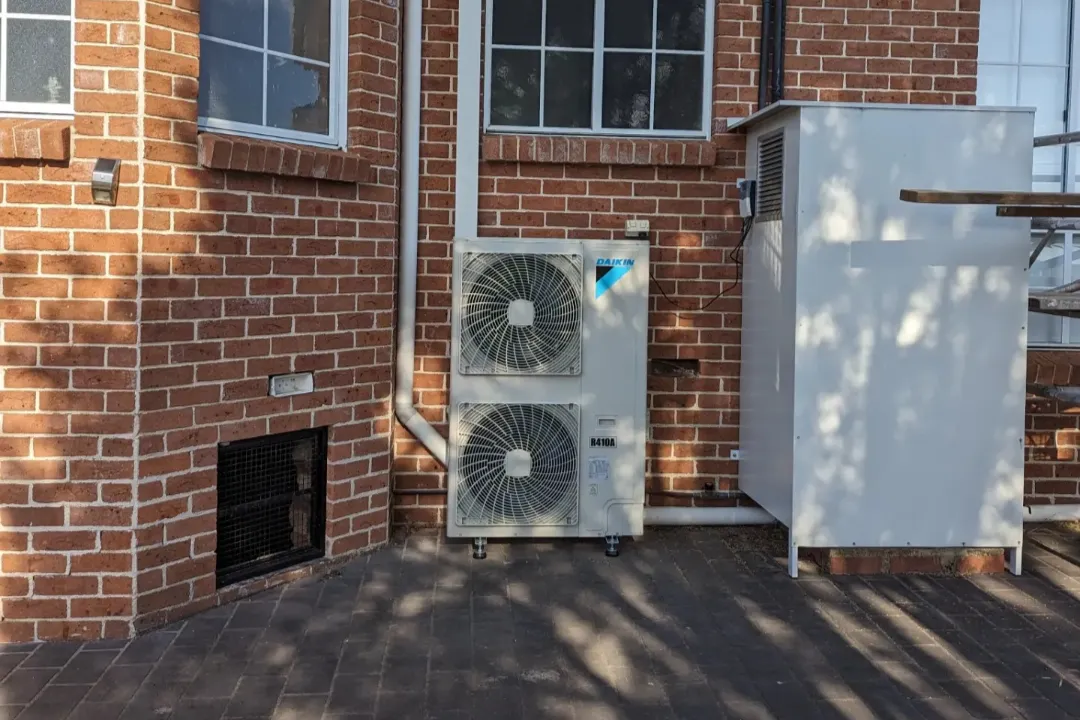
Summer storms can bring heavy rain, wind, and debris, which makes outdoor unit placement more important than it first appears. Installers typically consider drainage, clearance, and protection without restricting airflow.
Outdoor units placed in poorly ventilated alcoves can recycle hot air and lose efficiency. For reliability, air conditioning Castle Hill households choose is installed with attention to runoff paths, leaf litter risk, and secure mounting.
Does bushfire smoke change the air conditioning Castle Hill households choose?
Yes, smoke events can shift priorities toward filtration and the ability to recirculate indoor air effectively. While standard split systems filter some dust, some households may want improved filtration or standalone air purifiers alongside cooling. Indoor air filtration can provide an additional layer of protection during smoky conditions when outdoor air quality is poor.
During poor air quality days, households may avoid opening windows and rely more on mechanical cooling. That reality influences air conditioning Castle Hill households choose, particularly for families with asthma or allergies.
How do older brick homes in Castle Hill change cooling and heating needs?
Many established homes hold heat differently to newer builds, especially if they have limited insulation or older windows. Brick can absorb heat during the day and release it into the evening, extending discomfort.
This often leads to higher demand in late afternoon and at night. To manage that pattern, air conditioning Castle Hill households choose may include bedroom splits, zoning, or multi-head systems rather than one unit trying to do everything.

How do modern, open-plan renovations affect the type of system chosen?
Open-plan layouts can be harder to condition evenly because air spreads and escapes to hallways and high ceilings. Households often need better airflow planning and sometimes a different system type.
Ducted systems can suit large, connected spaces, while high-capacity splits can work if positioned well. In many renovations, air conditioning Castle Hill households choose is guided by how air will travel, not just floor area.
Should households pick ducted or split systems for Castle Hill conditions?
Both can work, but the best choice depends on how the home is used during hot spells and humid afternoons. Ducted suits whole-home control, while splits can target the rooms used most.
Some households prefer splits to reduce upfront cost and only cool occupied zones. Others want the clean look and whole-home comfort of ducted, which is why air conditioning Castle Hill households choose is often a lifestyle decision as much as a climate decision.
How do electricity prices influence efficiency features?
Running costs matter in long summers, so households often value high energy ratings and inverter compressors. Efficient operation becomes especially important when cooling is needed across many consecutive days.
Smart timers, zoning, and temperature setbacks can reduce unnecessary runtime. As bills rise, air conditioning Castle Hill households choose increasingly includes Wi‑Fi controls and energy monitoring to fine-tune usage.
What temperature settings work best for comfort in Castle Hill?
Many households feel comfortable around 24–26°C in summer, adjusted for humidity and activity. Lower set points can increase cost and sometimes make humidity feel worse when cycling behaviour changes.
Fans can help distribute air and improve perceived comfort without pushing temperatures too low. Practical operation is part of why air conditioning Castle Hill households choose includes good airflow control, not only raw capacity.
How do sun exposure and shading affect performance?
North- and west-facing rooms can heat up fast in the afternoon, making them harder to cool during peak demand. Shading, blinds, and window upgrades can reduce the load before the AC even turns on.
If a living area has large windows, the system may need a higher capacity or better placement. For many homes, air conditioning Castle Hill households choose works best when paired with basic passive measures like external shading.
How can households avoid common sizing mistakes?
Oversizing can cause short cycling and uneven dehumidification, while undersizing can lead to constant operation and discomfort. The right size depends on insulation, layout, glazing, ceiling height, and occupancy patterns.
A proper on-site assessment is usually worth it, especially for ducted designs. When contractors measure and calculate rather than estimate, air conditioning Castle Hill households choose tends to perform better and cost less to run.
What maintenance matters most in Castle Hill’s climate?
Filters clog faster during dusty, windy days and when windows are opened during pollen season. Regular cleaning helps airflow, efficiency, and air quality.
Outdoor coils also need clear space around them, especially after storms drop leaves. Ongoing care protects the investment, and it helps air conditioning Castle Hill households choose keep its rated performance through the hottest weeks.

How should households plan for future climate conditions?
Sydney is experiencing more frequent hot days, and extreme heat periods can last longer. Planning for resilience means selecting efficient systems, leaving room for zoning, and ensuring correct sizing.
Upgrades like better insulation, sealing gaps, and shading can reduce future loads. With those basics in place, air conditioning Castle Hill households choose can stay effective as summers trend hotter and energy costs shift.
What is the simplest way to match a system to Castle Hill weather?
They should start with how the home actually behaves on a hot afternoon, then choose a system that can handle heat, humidity, and nightly comfort. A reputable local assessment usually clarifies whether split, multi-split, or ducted makes the most sense.
When climate, layout, and operating habits are considered together, households can make a more informed choice about air conditioning Castle Hill households choose, balancing comfort with ongoing costs. Comparing whether ducted or split system air conditioning Castle Hill homes prefer can also help homeowners assess which setup better suits their space, usage patterns, and budget.
FAQs (Frequently Asked Questions)
How does Castle Hill’s summer climate influence the choice of air conditioning systems?
Castle Hill’s summer features hot spells, humidity swings, and stormy afternoons, which require air conditioning systems that offer strong cooling performance and smart control. Households often prioritize inverter technology and correctly sized units to ensure efficient operation during heatwaves and fluctuating humidity levels.
Why is humidity a critical factor in selecting air conditioning for Castle Hill homes?
Humidity affects comfort even at moderate temperatures, making moisture removal essential. Air conditioning systems with effective dehumidification modes, variable fan control, and zoning capabilities help prevent rooms from feeling sticky after summer storms, enhancing overall comfort for Castle Hill households.
What considerations are important when sizing air conditioning systems for Castle Hill’s heatwaves?
During Western Sydney heatwaves, outdoor temperatures and night-time minimums rise, limiting natural cooling. Proper sizing based on room area, ceiling height, insulation, sun exposure, and heat-load assessments ensures the system can cope without running nonstop or falling behind, especially in open-plan living areas.
How do Castle Hill winters impact the choice between reverse-cycle and cooling-only air conditioners?
Castle Hill experiences mild winters with cold nights that make heating performance important. Reverse-cycle split systems are popular as they provide efficient heating and cooling in one unit. Households often seek models with strong low-temperature heating output, quiet operation, and good airflow direction to maximize year-round value.
What factors related to rainfall and storms affect the installation of outdoor air conditioning units in Castle Hill?
Summer storms bring heavy rain, wind, and debris, making outdoor unit placement crucial. Installers consider drainage paths, clearance from obstructions, protection from leaf litter and debris, secure mounting, and ensuring adequate airflow to maintain system efficiency and reliability amid harsh weather conditions.
How do electricity prices influence the energy efficiency features of air conditioning systems chosen by Castle Hill households?
With long summers requiring extended cooling periods, running costs are significant. Households prioritize high energy ratings, inverter compressors for efficient operation, smart timers, zoning controls, temperature setbacks, Wi-Fi connectivity, and energy monitoring features to reduce unnecessary runtime and manage electricity expenses effectively.