
What Sets Commercial Air Conditioning Baulkham Hills Offices Apart?
They also reflect the area’s mix of professional suites, medical rooms, light industrial spaces, and multi-tenant buildings, where needs can differ from one tenancy to the next.
What makes office air conditioning needs different from homes?
Office systems have to manage higher heat loads, longer run-times, and more varied occupancy than most homes. Commercial air conditioning Baulkham Hills offices usually need equipment and controls that can handle boardrooms, open-plan areas, and server cupboards without creating hot and cold spots.
They also have to work around business hours, noise expectations, and tenants’ comfort preferences, which are often more demanding than a residential setup.
Why does zoning matter so much in office fitouts?
Zoning matters because offices rarely heat and cool evenly across the day. Baulkham Hills commercial air conditioning often uses zoning so different areas can run at different temperatures, fan speeds, and schedules.
This is especially useful when the sunny side of the building warms up faster, meeting rooms fill and empty, and some teams work early or late. Zoning reduces complaints and avoids overcooling empty spaces.
How do they stay comfortable through Western Sydney’s hot spells?
They stay comfortable by matching system capacity to real heat loads and using controls that respond quickly to changing conditions. Commercial air conditioning Baulkham Hills offices are commonly set up with sensible temperature deadbands, staged compressor operation, and programmed schedules to reduce midday strain.
Good designs also account for glazing, insulation, and internal equipment heat, which can be significant in Australian offices with computers, printers, and lighting running all day.
What role does ventilation play in modern office air conditioning?
Ventilation matters because comfort is not only temperature based. Commercial air conditioning Baulkham Hills offices often need outdoor air ventilation that supports alertness and helps manage odours and carbon dioxide build-up.
In many Australian workplaces, ventilation is also tied to expectations around wellbeing, especially in meeting rooms and training spaces. Proper ventilation can reduce that “stale afternoon” feel without forcing the system to overcool.
How do they manage indoor air quality without overcomplicating the system?
They manage indoor air quality by combining filtration, sensible ventilation, and regular maintenance rather than chasing gimmicks. Commercial air conditioning Baulkham Hills offices often use higher-grade filters where appropriate, particularly in dusty locations near main roads or in buildings with frequent foot traffic.
Some workplaces also add solutions such as carbon filters for odours or dedicated air purification in specific rooms, but they typically keep changes targeted so airflow and efficiency are not harmed.
Which system types are most common in Baulkham Hills offices?
The most common types are ducted split systems, VRF or VRV systems, and packaged units in some commercial buildings. Commercial air conditioning Baulkham Hills offices often lean toward VRF where they need many zones and simultaneous heating and cooling across different suites.
Smaller offices may use ducted splits for a simpler, cost-effective fitout, while multi-tenant sites may prefer centralised solutions that suit base building services.
Why are controls and smart scheduling a bigger deal in offices?
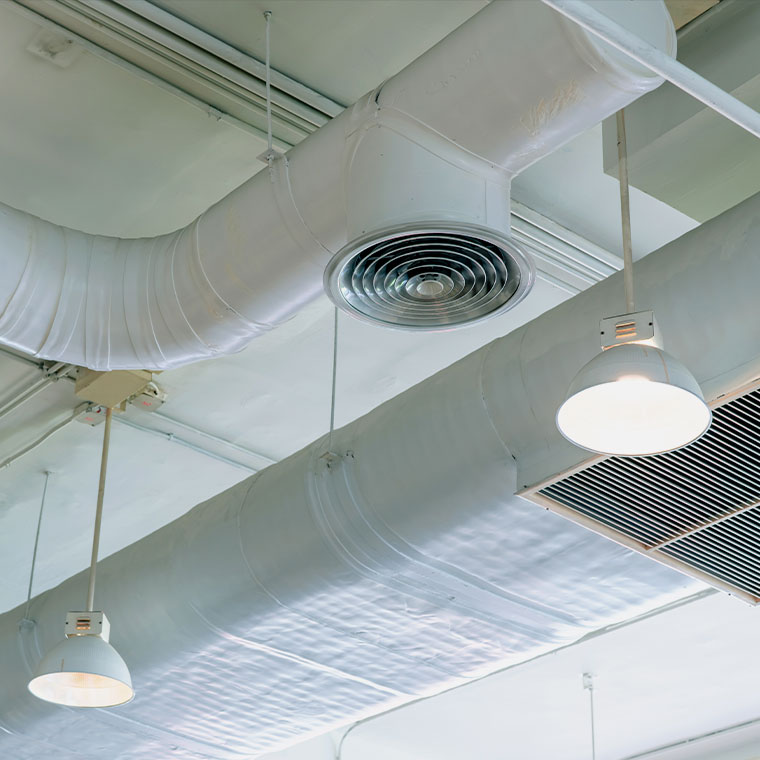
Controls matter more because small inefficiencies can multiply across larger spaces and longer operating hours. Commercial air conditioning Baulkham Hills offices typically benefit from programmable controllers, occupancy schedules, and lockouts that prevent extreme setpoints. Smart commercial building controls can help manage energy use while maintaining comfortable working conditions.
They also use timers, holiday modes, and after-hours overrides so staff can work late without running the entire floor. Better controls usually mean fewer comfort disputes and lower power bills.
How do they keep running costs down without sacrificing comfort?
They keep costs down by sizing correctly, using zoning, and maintaining the system so it performs as designed. Commercial air conditioning Baulkham Hills offices often reduce waste by avoiding oversized equipment that short cycles and by sealing ductwork to prevent air loss.
They also improve performance through clean filters, clean coils, and correct refrigerant charge. In many Australian offices, these basics deliver better results than expensive add-ons.
What maintenance habits separate reliable systems from problem ones?
Reliable systems usually follow a consistent preventative maintenance plan. Commercial air conditioning Baulkham Hills offices often schedule filter changes, coil cleaning, condensate drain checks, and airflow tests before the peak of summer.
They also log faults and address small issues early, such as unusual noises, odours, or drifting temperatures. This approach helps avoid breakdowns during heatwaves when technicians are busiest across Sydney.
How do they handle noise in open-plan and client-facing spaces?
They handle noise by choosing quiet equipment, designing ductwork properly, and placing outdoor units thoughtfully. Commercial air conditioning Baulkham Hills offices typically avoid undersized ducts and poor diffuser selection, which can create air roar and whistling.
In client-facing rooms such as consulting suites, they may use acoustic duct lining, low-noise fan settings, and careful grille placement so conversations remain private and comfortable.
Why is compliance and safety more complex in commercial buildings?
Commercial buildings often have stricter requirements around electrical work, access, roof safety, and shared services. Commercial air conditioning Baulkham Hills offices may need to coordinate with strata, building managers, and base building rules, especially where condenser locations, penetrations, and after-hours work are controlled.
They also need appropriate documentation for warranties, safety checks, and any required testing, which can be more detailed than a residential job.
How do they support different tenants in the same building?
They support different tenants with separate metering, independent controls, and flexible zoning where possible. Commercial air conditioning Baulkham Hills offices in multi-tenant buildings often need systems that allow one suite to run without affecting others.
This matters for mixed-use schedules, such as a medical tenant operating early, a professional office running standard hours, and a training room used in the evening.
What should office managers look for before approving a quote?
They should look for clear sizing logic, a zoning plan, and realistic running cost expectations. Commercial air conditioning Baulkham Hills offices should be quoted with enough detail to show what is included, such as controls, commissioning, and access equipment like lifts if needed.
They should also check warranty terms, maintenance recommendations, and whether the quote accounts for after-hours work to reduce disruption to staff and clients.
Why does commissioning and balancing affect day-to-day comfort?
Commissioning matters because even good equipment performs poorly when airflow and controls are not set properly. Commercial air conditioning Baulkham Hills offices often need air balancing so each zone receives the right amount of conditioned air.
Without proper commissioning, they may see recurring hot spots, cold drafts, and constant thermostat adjustments. A properly commissioned system usually feels “quietly correct” and attracts fewer complaints.
How do they plan for growth, layout changes, or new technology?
They plan by allowing spare capacity in the right places, keeping zoning flexible, and choosing controls that can adapt. Commercial air conditioning Baulkham Hills offices often change layouts as teams grow, so designs may include provisions for extra diffusers, accessible duct paths, or modular VRF indoor units.
They also consider the heat load of new tech, such as additional screens, network gear, or small server racks, which can change cooling needs quickly.
What is the simplest takeaway for choosing the right setup?
The simplest takeaway is that strong outcomes come from good design and disciplined maintenance, not just brand selection. Commercial air conditioning Baulkham Hills offices stand apart when they prioritise zoning, ventilation, controls, and commissioning so the space stays comfortable through Sydney’s seasonal extremes. Understanding the steps involved in air conditioning installation Baulkham Hills homes undergo can also help homeowners know what to expect from planning through to final commissioning.
When they choose a system that matches their tenancy’s actual use and keep it maintained, they usually achieve fewer breakdowns, steadier comfort, and better cost control.
FAQs (Frequently Asked Questions)
What makes commercial air conditioning needs in Baulkham Hills offices different from residential systems?
Commercial air conditioning in Baulkham Hills offices must manage higher heat loads, longer run-times, and varied occupancy levels compared to homes. These systems are designed to handle diverse spaces such as boardrooms, open-plan areas, and server rooms without creating hot or cold spots, while accommodating business hours, noise expectations, and tenant comfort preferences.
Why is zoning important in Baulkham Hills office air conditioning fitouts?
Zoning is crucial because office spaces rarely experience even heating or cooling throughout the day. Commercial air conditioning in Baulkham Hills offices uses zoning to allow different areas to operate at varying temperatures, fan speeds, and schedules. This approach reduces complaints, prevents overcooling empty spaces, and adapts to factors like sunlight exposure and varying work hours.
How do Baulkham Hills offices maintain comfort during Western Sydney’s hot spells?
Comfort is maintained by matching system capacity to actual heat loads and employing controls that respond swiftly to changing conditions. Features like sensible temperature deadbands, staged compressor operation, and programmed schedules reduce midday strain. Additionally, good designs consider glazing, insulation, and internal equipment heat common in Australian offices.
What role does ventilation play in modern commercial air conditioning for Baulkham Hills offices?
Ventilation supports more than just temperature control; it enhances alertness and manages odours and carbon dioxide buildup. In many Australian workplaces, including Baulkham Hills offices, proper outdoor air ventilation aligns with wellbeing expectations—especially in meeting rooms and training spaces—helping reduce stale indoor air without excessive cooling.
Which types of commercial air conditioning systems are most common in Baulkham Hills offices?
The most common systems include ducted split systems, VRF (Variable Refrigerant Flow) or VRV (Variable Refrigerant Volume) systems, and packaged units. VRF systems are favored where multiple zones require simultaneous heating and cooling across suites; smaller offices often use ducted splits for cost-effective solutions; multi-tenant buildings may prefer centralized setups integrated with base building services.
How do smart controls and scheduling improve commercial air conditioning efficiency in Baulkham Hills offices?
Smart controls are vital because inefficiencies multiply over large spaces with extended operating hours. Commercial air conditioning in Baulkham Hills typically employs programmable controllers, occupancy-based schedules, setpoint lockouts, timers, holiday modes, and after-hours overrides. These features reduce energy waste, accommodate flexible working hours, minimize comfort disputes, and lower power bills.