
Why Local Tree Removal Knowledge Affects Safety and Results
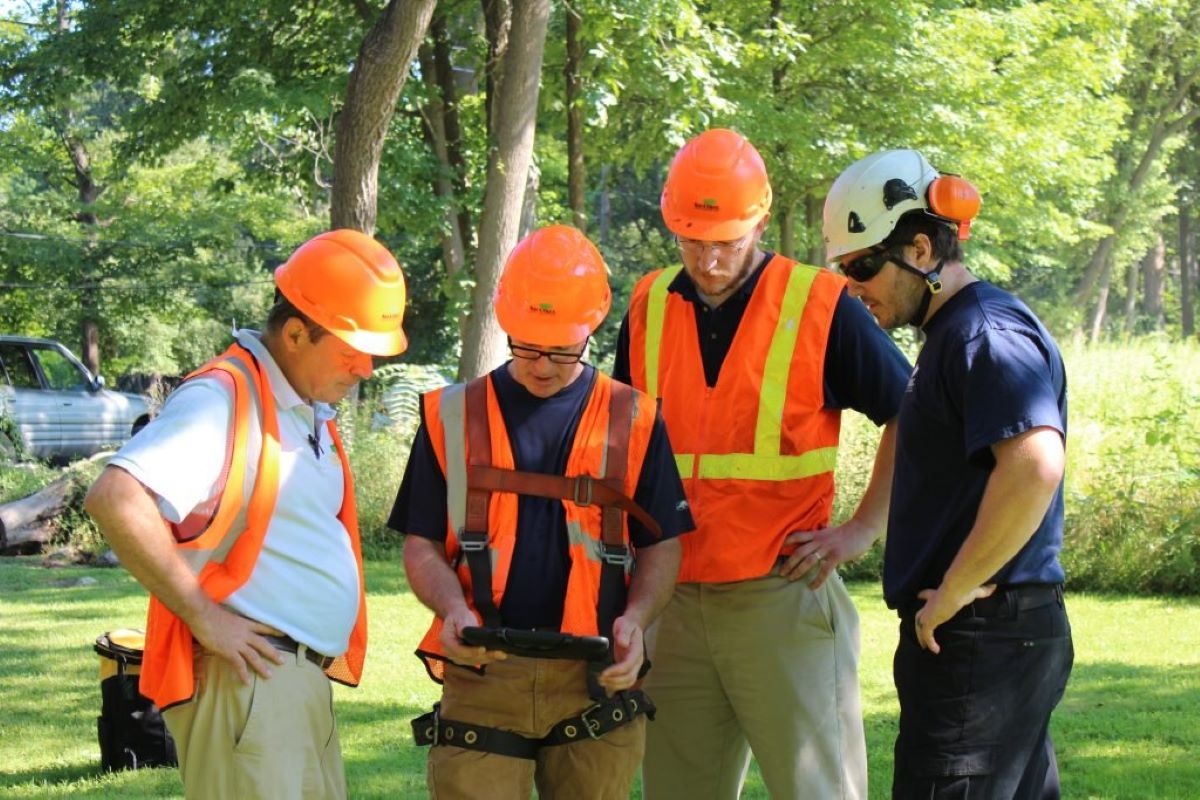
Tree removal is not simply about cutting down a tree. Success and safety stem from local expertise, where understanding the terrain, species, and unique challenges plays a huge role. Local tree removal practices significantly influence outcomes, ensuring that risks are reduced and the job gets done effectively. Here, we explore how local nuances in tree removal bolster both safety and quality of results.
Working in diverse environments, from the muddy banks of a rural dam to the tight urban backyards, local knowledge is indispensable. Local tree removal is fraught with hazards – from falling branches to unpredictable soil conditions – and every area brings its own set of challenges that require a targeted approach.
The Importance of Local Terrain and Environment
Adapting to Regional Conditions
Every region has its distinct environmental characteristics. Whether it’s the coastal winds affecting tree growth or the specific soil composition on rural outskirts, teams that know these conditions can adjust their methods accordingly. Local expertise plays a crucial part in identifying potential hazards tied to these environmental factors, reducing the chance of unexpected mishaps during removal operations.
Experience shapes an understanding of seasonal changes and local weather patterns. For example, professionals working in environments prone to heavy rainfall or strong gusts know to schedule or adjust jobs in accordance with the forecast, thereby ensuring that safety measures are not compromised.
Flora Specific to Local Regions
Local tree species come with their own growth patterns, weaknesses, and structural intricacies. Different trees may react differently under stress or during forced removal. Knowledge of local species means removal experts know how to handle each tree without causing unnecessary damage either to themselves or to surrounding structures.
This understanding also aids in recognising signs of decay, disease, or instability in trees. With statistics indicating that a significant percentage of tree trimming fatalities involve pruning activities, having knowledgeable professionals on the job means recognising early warning signs and adopting the appropriate techniques before circumstances turn dangerous.
Enhanced Safety Measures Through Local Expertise
Comprehensive Risk Assessments
Local professionals familiar with regional challenges can conduct thorough risk assessments tailored to the specific site. These assessments go far beyond recognising a falling limb. They include evaluations of ground conditions, potential electrical hazards from nearby power lines, and even the behaviour of local wildlife which might add unpredictability to a removal operation.
Risk assessments drive the creation of robust safety plans. Recent findings from studies indicate that a lack of safety planning and job training leads to severe consequences, with many fatal injury reports pointing to inexperienced workers and insufficient safety protocols. Local knowledge ensures that safety practices are robust and detailed, minimizing fatal incidents in high-risk tasks such as tree trimming.
Practical Training and On-Site Experience
Hands-on training based on local conditions is fundamental for tree removal teams. When companies prioritise region-specific training, they can share insights on how local hazards have been managed in the past. This kind of training is particularly important considering that fatal injury rates are significantly higher when workers have limited experience on the job.
Safety training often includes simulated scenarios that mirror actual local risks. For instance, recent alerts from Washington State’s Department of Labor & Industries pointed out that enhancing fall protection and rigging practices produced tangible benefits, coupled with heightened awareness of local hazards. Employers who invest in specialised training see not only reduced injury rates but also improved operational efficiency.
Understanding the Economic and Legal Implications
Local Regulations and Standards
The legal framework surrounding tree work can differ dramatically from one region to the next. Local councils and state governments may have specific rules regarding noise, debris management, and set-aside buffer zones. When professionals work within these local frameworks, they avoid legal pitfalls that could lead to fines or shutdowns of operations.
Understanding local regulations also means knowing the safety standards that apply specifically to arboricultural work. Studies have shown that many employers do not provide comprehensive safety plans or training, contributing to higher fatalities in tree care. Local certifications and guidelines help standardise best practices, ensuring that every tree removal operation meets both safety and compliance benchmarks.
Cost-Effective Operations with Reduced Liability
Employing local experts often leads to cost savings in both immediate and long-term operations. Well-trained local teams reduce the likelihood of accidents, meaning less medical liability and fewer claims. Considering that fatality rates in tree care remain high, especially in critical operations like pruning, reducing incidents translates directly into financial savings for businesses.
Moreover, local expertise minimises waste and inefficiencies. When hazards are accounted for, fewer tools and equipment suffer damage, and the overall pace of work improves. These factors help businesses ensure that every tree removal job is not only safer but also more economically viable, enhancing profit margins and local trust in specialised services.
Technical Techniques and Best Practices for Tree Removal
Precise Cutting and Rigging Techniques
Tree removal is an art that relies heavily on detailed planning and precise execution. Local experts often use advanced cutting techniques that consider the unique growth patterns of regional tree species. This precision minimises collateral damage to property and ensures that trees fall predictably even on tricky terrain.
Rigging practices form another critical aspect. Recent alerts from health and safety bodies have shown that inadequate rigging remains a major hazard. Local professionals familiar with the challenges posed by regional tree types use tailored methods for securing trees during felling. This dedication not only saves lives but also preserves structures and nearby vegetation from inadvertent damage.
Innovative Equipment and Adaptation to Local Conditions
Local experts are routinely on the cutting edge, adopting newer technologies and adapting equipment to suit their environment. In areas with dense urban development, compact and manoeuvrable machinery is necessary to navigate tight spaces. In contrast, rural settings might require heavy-duty saws and specialised climbing gear to negotiate vast, open areas.
Research has emphasised the importance of equipment suitability – with fatal injury rates in tree work highlighting the need for proper tools and gear. Local expertise ensures that equipment is not only maintained to high standards but also customised based on direct experience with similar projects in the region. This adaptability drives operational success and safety simultaneously.
The Human Factor: Experience and Local Partnership
Experience Translated into Local Knowledge
The value of years in the field cannot be underestimated. Workers who have been employed locally for extended periods develop an intuitive understanding of the environment and its nuances. This local experience allows them to spot warning signs that novices might miss.
An analysis of fatal injury data revealed that a significant number of incidents occurred among individuals with less than one year on the job – a situation all too common when local conditions go unheeded in training programmes. In contrast, seasoned local professionals can intuitively manage the dangers inherent in tree removal, from sudden storms to unstable tree structures, ensuring that precautionary steps are duly taken.
Building a Local Support Network
Local partnerships and networks can prove invaluable. This network includes local councils, community safety bodies, and even neighbouring businesses that rely on safe, efficient tree care. Such a network facilitates the exchange of crucial local information, ranging from recent weather patterns to emerging safety concerns that could affect upcoming tree removal jobs.
Community engagement encourages accountability and shared learning. When local experts collaborate openly, they create a safety culture that mitigates risks by learning from past incidents and incrementally improving best practices. This local approach not only drives safety improvements but also fosters trust between service providers and the community they serve.
Navigating the Challenges and Risks
Understanding and Preventing Common Hazards
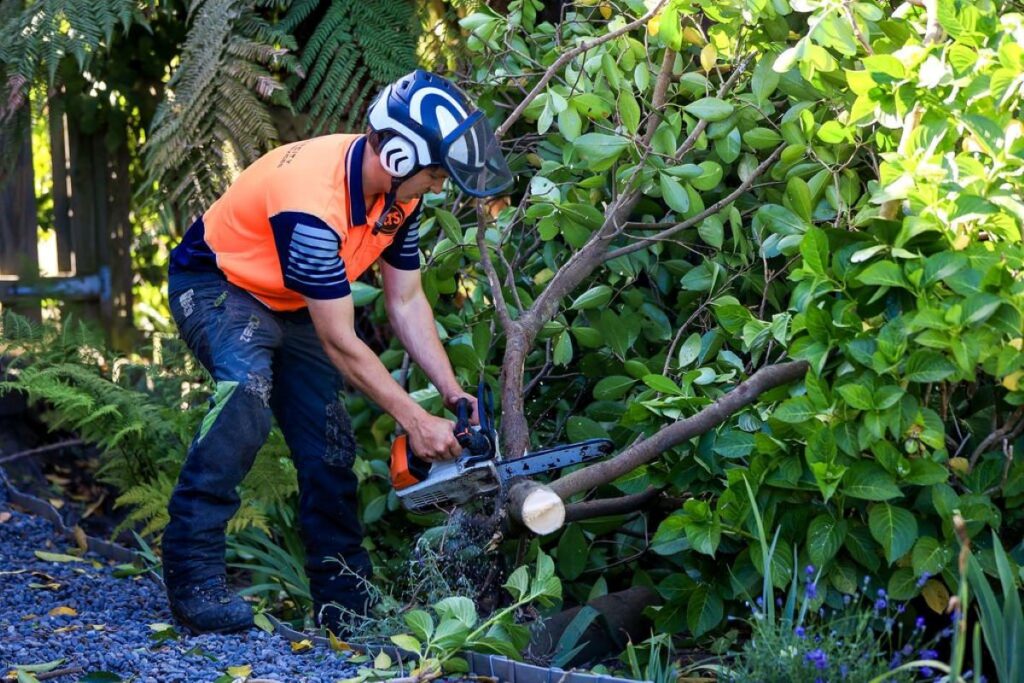
Tree removal inherently involves hazards such as falls, electrocutions, and being struck by objects. Statistical findings indicate that nearly half of numerous fatalities during tree care arise from trimming or pruning mishaps. A firm grasp of local conditions provides insight into mitigating these risks, especially when supported by stringent safety standards.
Local professionals can identify potential hazards that generic guidelines might overlook. For instance, a tree located near a busy power line requires extra caution and tailored rigging procedures. By combining local assessments with industry best practices, experts reduce unpredictability and create a safer working atmosphere for everyone involved.
Emergency Response and Safety Planning
Preparedness for emergencies is another critical facet influenced by local knowledge. In the unlikely but possible event of an accident, local teams equipped with thorough emergency plans can respond swiftly. Access to local emergency services and established protocols means that any untoward incident is managed promptly and effectively.
Regular drills and safety planning sessions are not additional burdens but integral parts of a successful operation. These pre-planned responses are continually refined based on local incidents and evolving safety standards, ensuring that the response mechanisms remain up-to-date and effective.
Integrating Traditional Knowledge with Modern Safety Standards
Honouring Local Practices and Innovations
Local tree removal experts often blend traditional practices with modern safety technology. Older methods, honed over generations, might offer refined techniques that have stood the test of time. New equipment combined with traditional knowledge enhances precision and reliability.
This combination also fosters continuous improvement. As international studies highlight critical gaps in training and safety planning, local experts who incorporate proven traditional methods alongside contemporary standards set a robust benchmark for the industry. Their balanced approach ensures that innovative safety practices do not discard the valuable lessons learned from longstanding local traditions.
Adapting International Standards Locally
Research spanning multiple countries has identified a wide array of safety categories in arboricultural standards. While many of these categories are universally acknowledged, local adaptation is key. Professionals who integrate global best practices with local conditions achieve the highest standards of safety and efficiency.
This integration involves tailoring guidelines to reflect regional weather patterns, common local equipment issues, and even the typical health conditions of the local workforce. As tree removal teams refine their approaches based on both international recommendations and local knowledge, safety statistics improve and legal compliance is easier to maintain.
Building a Safer Future in Tree Removal
Commitment to Continuous Improvement
Safety in tree removal is an ongoing commitment. With the alarming fatalities reported over the years in tree care – especially in high-risk tasks like pruning – every project underscores the need for continuous evaluation and improvement. Local professionals regularly review and update their safety protocols based on the latest research, incident reports, and technological advances.
This commitment not only saves lives but also sets an example across the industry. A significant percentage of tree workers with less than a year on the job face higher risks; therefore, ongoing mentorship and skill refinement are critical. Local experts lead by example, using each project as an opportunity to reinforce safety practices and share insights gleaned from years of fieldwork.
Future Trends in Local Tree Removal Practices
Advancements in tree removal techniques and safety equipment promise to redefine how local jobs are approached. The increasing use of drones for aerial surveys, smart sensors for stability assessments, and digital platforms for real-time hazard monitoring are revolutionising the field.
Incorporating these technologies requires significant local adaptation. Professionals must be trained not only to use advanced equipment but also to interpret and act on the data in the context of known local risks. This future-oriented approach drives improvements in operational safety and efficiency, ultimately reducing injury rates and promoting a culture of preparedness around tree removal.
The Role of Community and Regulatory Bodies
Local Government Initiatives and Support
Municipal authorities and local government bodies have an influential role in shaping the safety landscape for tree removal. By issuing hazard alerts and establishing clear guidelines, local regulators ensure that tree removal practices evolve in response to both emerging risks and long-standing local challenges.
For instance, recent hazard alerts from state departments have led to enhanced fall protection and improved rigging practices. This proactive stance by local regulatory entities strengthens the overall safety network, ensuring that all local tree removal operations adhere to the highest standards possible.
Community Engagement in Safety Advocacy
The local community’s involvement in promoting safe tree removal practices should not be understated. Residents often serve as early detectors of potential hazards, especially in neighbourhoods where trees are a prominent feature. When communities collaborate with tree removal professionals, the exchange of local insights enriches safety practices and fosters trust.
Regular community consultations, safety workshops, and public safety campaigns are all tools that help align local expectations with professional standards. This synergy maximises safety outcomes and ensures that everyone – from the ground workers to the local residents – benefits from heightened awareness and expertise. Check out more about What Happens Step by Step During a Professional Tree Removal Service.
Concluding Thoughts: Local Expertise as the Cornerstone of Safety and Quality Outcomes
Bridging Global Standards with Local Practices
Local tree removal knowledge forms the bridge between global safety standards and the unique challenges of regional environments. Whether it’s through region-specific risk assessments, tailored training programmes, or adaptive equipment use, local expertise improves both safety and the quality of the final results.
This integration pays dividends not only in reduced fatal injury rates but also in greater overall operational efficiency. When local professionals lead the way in implementing both traditional and modern approaches, the entire industry benefits from lower accident rates and more consistent, high-quality outcomes.
The Future is Local and Collaborative
Looking to the future, building a safer environment in tree removal hinges on local collaboration, continuous learning, and the effective merging of tried-and-tested methods with innovative technologies. As the industry faces ongoing challenges – such as complex terrain, harsh weather conditions, and evolving regulatory standards – local expertise remains the crucial element in navigating these hurdles.
Ultimately, embracing local knowledge not only minimises risks but also raises the bar for quality in tree removal operations. Each project undertaken with respect for local conditions is a step forward in ensuring that the safety of workers is paramount and that the integrity of our communities and natural landscapes remains intact.
Key Takeaways for Practitioners and the Community
- Comprehensive Local Assessments: Understanding local conditions and specific tree species can significantly reduce the inherent risks of tree removal.
- Tailored Training: Focusing on region-specific safety training and continuous skill development is essential in reducing fatal and non-fatal injuries.
- Integration of Technology: Incorporating modern tools with traditional local knowledge leads to more precise and safer removal operations.
- Community and Regulatory Support: Active involvement of local governments and community members enhances overall safety standards and ensures operations remain up-to-date with evolving challenges.
- Ongoing Improvement: Embracing lessons learned from past incidents and adapting operations based on current research helps forge a safer future in tree removal.
Local professionals, community members, and regulatory bodies all have a role in ensuring that the risks posed by tree removal are managed effectively. Embracing this holistic view means that safety and quality go hand in hand, making tree removal a process where every cut is calculated and every decision is informed by local expertise.
As the industry moves forward, maintaining the delicate balance between tradition and innovation will continue to be pivotal. It pays to remember that while tools and technology advance, the human touch-intertwined with deep local knowledge-remains irreplaceable.