
What Happens Step by Step During a Professional Tree Removal Service
When a tree becomes hazardous or simply unwanted, hiring a professional for tree removal is the wisest decision. The process can seem daunting, but understanding each stage helps you feel secure about the work being carried out. Whether you have a towering eucalyptus or a venerable gum tree causing issues on your property, knowing what to expect can ease your mind and save you hassles on the day.
Professional tree removal is more than simply cutting down a tree. It involves careful planning, expert advice, and a range of procedures designed to ensure safety and efficiency. This guide walks through each step from the initial consultation to the final clean-up, providing detailed insight into a service that has seen rising demand across the residential market.
Initial Consultation and Site Assessment
Every professional service begins with an observational visit. An experienced arborist or tree removal specialist will inspect your property to evaluate the tree’s condition, surroundings, and any potential hazards. This careful review is vital to decide the safest removal strategy.
During the initial consultation, the expert will consider factors such as the tree’s age, health, root system, proximity to buildings, and other structures. Experts note that over 39% of tree care service contracts originate from the residential sector, underlining the importance of personalised evaluations tailored to home environments.
In this stage, the professional is not just assessing the physical tree but also checking the ground conditions and environmental factors that could affect the removal process. This includes evaluating whether any underground utilities, overhead power lines, or nearby structures might pose an additional risk.
Obtaining Multiple Quotes and Expert Advice
Cost is a natural concern when considering any tree removal service. In 2024, it was reported that the average tree removal cost increased by 8% to approximately $780 per tree. Engaging with several qualified arborists may help you secure the best possible price without compromising quality or safety.
It is always a smart move to seek multiple opinions before proceeding. “I always recommend getting multiple quotes from qualified arborists to get a realistic estimate for your specific situation,” advises leading tree care professionals. This procedure ensures you receive a comprehensive view of your options.
The process of comparing quotes is not simply about finding the lowest price; it is most about understanding the level of service, expertise, and safety procedures promised by each provider. The consultation is a vital step that permits you to ask questions regarding insurance, equipment, and timelines, thereby ensuring robust coverage for every potential issue.
Planning and Preparing for the Removal
Risk Assessment and Safety Planning
Before any chainsaws roar, a detailed risk assessment is necessary. A certified technician will identify weak branches, potential falling hazards, and unstable soils. Trees that are in a precarious position require extra planning to ensure they are removed safely.
Risk assessment is not limited to the tree itself. Understanding the surrounding area is equally important. Professionals take the time to map out escape routes, communicate safety procedures to any residents nearby, and make arrangements to protect vehicles, gardens, or outdoor furniture.
The planning stage includes an assessment of weather conditions and environmental factors. If high winds or rain is forecast, it might be wiser to postpone the job. Safety protocols are designed not only for the workers but also to minimise disruptions or damage to your property.
Equipment and Crew Preparedness
Once the site has been thoroughly assessed, professionals gather all necessary equipment. This may include chainsaws, cranes, ladders, rigging gear, and specialised trucks for debris removal. Equipment quality directly influences the efficiency and safety of the removal work.
Additionally, a team is assembled with defined roles and responsibilities. Every member is trained to follow stringent safety guidelines and to operate the equipment correctly. When you work with qualified arborists, you are assured of the peace of mind that their skills will safeguard both your property and the surrounding areas.
From masts to protective helmets, every piece of gear is checked to ensure it is up to standard. The crew typically does a final walk-through to confirm that every precaution has been taken. Giving thorough attention to these details is key to preventing accidents during the removal process.
Tree Removal Process in Action
Initial Felling Techniques
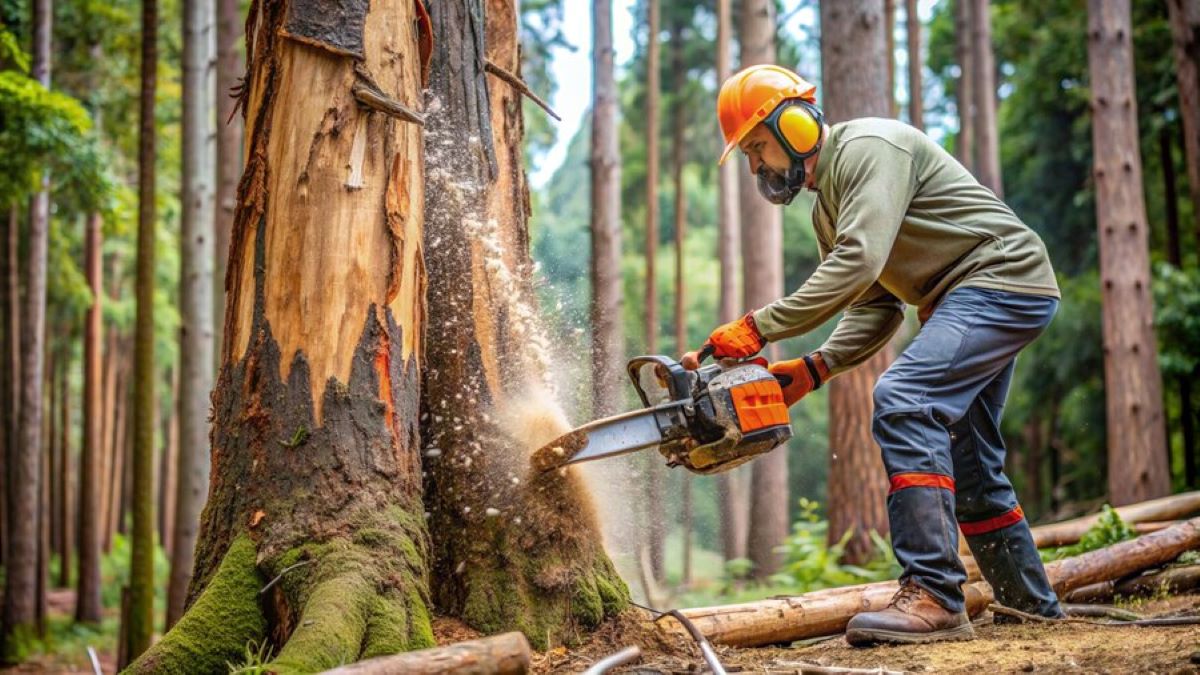
Once the planning phase is complete, the actual removal begins with felling the tree in a controlled manner. Experts use precise cutting techniques to guide the tree in a predetermined direction, minimizing the risk of property damage.
Using directional notches and strategic cuts, the removal specialist begins the process with careful calculation. This controlled felling is particularly important in residential areas where even slight miscalculations can lead to damage to nearby buildings or flora.
This stage is carried out with an emphasis on controlled descent. The entire removal procedure is observed by safety personnel, ensuring that every drop is monitored and any unexpected issues are addressed immediately. Each cut is made with the correct timing and precision, a process refined by years of experience and industry best practices.
Sectional Dismantling Techniques
After felling the tree, the next step is to dismantle it into manageable sections. This method-often called “limbing and bucking”-ensures that each part of the tree is safely removed from the site.
Skilled professionals first remove large branches to reduce the overall bulk before cutting the trunk into smaller, transportable sections. This approach not only prevents debris from damaging property but also makes the waste easier to collect and remove.
The electrical risk is also considered; professionals ensure that the residual branches and trunk sections away from power lines are safely handled by a trained crew. The dismantling process is planned meticulously to ensure that both the environment and the workers are kept safe at every stage.
Clean-Up, Haul-Off, and Post-Removal Procedures
Debris Collection and Removal
Once the tree is dismantled, cleaning up the site is a priority. This final phase involves the removal of wood debris along with any additional landscaping clean-up required. Professionals will often use specialised trucks to haul away the debris.
Many services offer tree mulching on site, where branches and smaller logs are chipped into mulch to be used in your garden or rehabilitated areas. This environmentally friendly option can be an excellent choice for cultivating new growth around your property.
The thorough clean-up ensures that your backyard, garden, or commercial site is left as neat as possible. In many cases, where it makes sense, the crew might transform the debris into usable material such as mulch or firewood, reducing waste and adding value to the service provided.
Final Inspection and Residual Risk Mitigation
A final walkthrough by the project leader is essential to verify that every piece of debris has been removed and that any potential hazards left behind are adequately addressed. This final inspection enhances the peace of mind for homeowners, ensuring that the job has been completed to the highest standards.
The professional may advise on additional measures including stump grinding or soil treatment if needed. These final steps are particularly important if the tree removal was prompted by a hazard or disease that may affect surrounding plants. It is always better to be thorough to preserve the health of the remaining landscape.
This stage highlights the importance of hiring experts who take responsibility not just for the tree removal but also for restoring the safety and aesthetics of your property. Such detailed follow-ups reduce the risks of post-removal complications, such as falling debris or pest infestations in the residual wood.
Understanding the Costs and Financial Considerations
Comparing Quotes and Value for Money
Tree removal is a significant investment. With the cost in 2024 averaging $780 per tree after an 8% increase, ensuring value for money is crucial. Do not simply choose the cheapest option; instead, compare quotes to see which service offers comprehensive planning, safety measures, and an expert crew.
Remember that going for the lowest quote might have hidden risks. A thorough comparison of services clarifies what each package includes-right from the initial assessment to the final clean-up. Always remember the advice to get multiple quotes, a widely accepted strategy in the industry.
While price is a prominent factor, attention should also be given to the credentials of the arborist or tree removal specialist. Ensure the service is fully insured and that technicians hold recognised qualifications, thereby guaranteeing that your property and trees are managed professionally and safely.
Budget Considerations and Payment Structures
Many service providers offer flexible payment structures, which can be a relief if you are working within a strict budget. Some companies may provide upfront pricing, while others might offer an initial deposit followed by staged payments as work is completed.
Finance options might be available too, allowing larger projects a more manageable monthly repayment schedule. Detailed contracts and transparent breakdowns of costs provide reassurance that you are getting a fair deal. Knowing the facts means fewer unexpected surprises when the final invoice arrives.
It also makes sense to factor in the value you gain by ensuring safety and the aesthetic uplift your property experiences once the hazardous tree is removed. The overall investment is not solely about removal but also about preserving the integrity and value of your property.

Environmental Considerations and Future Tree Health
Replanting and Mitigating Environmental Impact
Attention to the environment is a growing priority among tree care specialists. According to recent studies, only about 9% of residential property owners replace trees after removal. Carefully planning replanting can improve not only your property’s look but also the local ecosystem.
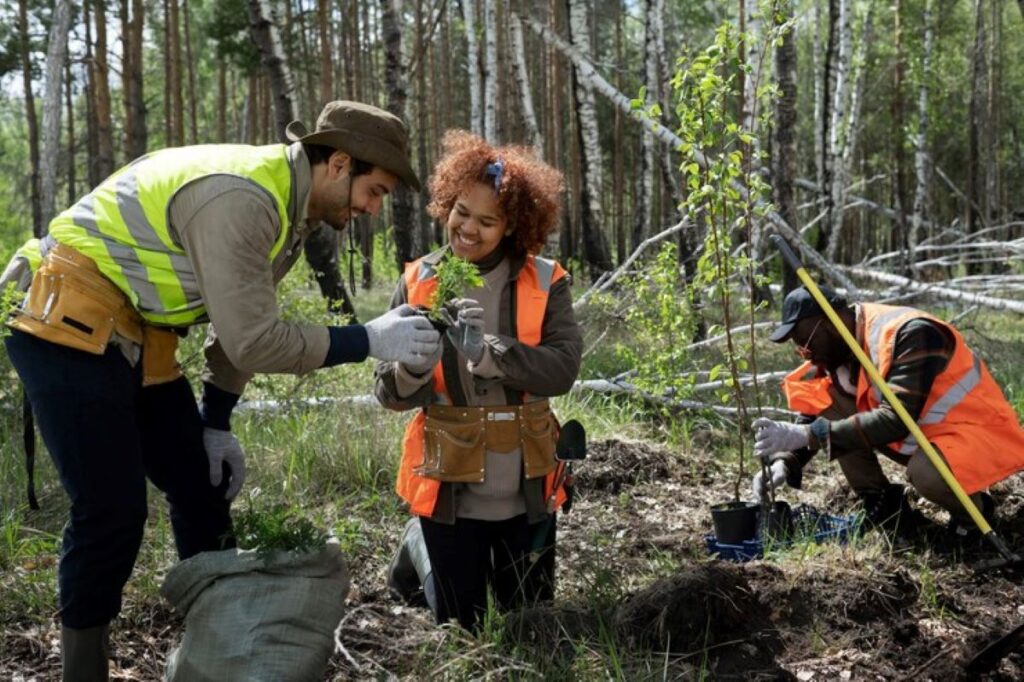
Many professionals offer advice on suitable replacement species or even assist in planting new trees. This dual approach means your property reaps the benefits of proper canopy cover, improved air quality, and reduced soil erosion. Ensuring the replacement is in line with local habitat conditions is essential.
When considering replanting, local native species are frequently recommended since they are more likely to thrive in your region and have a natural resilience to local pests and diseases. Through replanting, you participate in a cycle that helps sustain fauna, flora, and the local community.
Reducing Waste and Promoting Recycling
A significant environmental issue during tree removal is the potential waste from debris. Professionals often employ methods to recycle wood and remove as little as possible from the natural cycle. By converting tree debris into mulch or firewood, they reduce landfill contributions and harness sustainable practices.
The mulching process not only provides a beneficial product for your garden but also helps retain soil moisture and suppress weeds naturally. This form of recycling is becoming standard practice among companies mindful of their environmental impact.
With growing environmental awareness, many tree service companies now integrate tree replanting programmes alongside eco-friendly disposal methods. Their aim is to ensure that every tree removed makes way for healthier, greener spaces in the future. Click here to get more about transforming green waste into usable timber products at Romsey.
Legal and Regulatory Factors in Tree Removal
Permits and Local Regulations
One integral concern is the legal aspect of tree removal, especially within residential areas. Professional arborists are well-versed in local council requirements and may advise you on any permits necessary before removal begins. Regulations can vary greatly, so ensuring compliance prevents fines or legal complications.
Many municipalities have strict zoning laws regarding tree removal on both public and private lands. Understanding local by-laws helps manage expectations and avoids delays. This is particularly relevant in conservation areas where historic or native trees hold a special status.
The requirement for permits also means that professionals must work within strict guidelines. Compliance with local guidelines is observed throughout the process-from initial felling techniques to final clean-up-to ensure the operation is legally sound and ethically responsible.
Insurance and Liability Coverage
Engaging a professional means they carry liability insurance to cover any unforeseen events. Insurance is a crucial aspect, safeguarding both the client and the service provider. High standards in insurance policies are indicators of a professional service that values both safety and accountability.
Investing in a reputable company means investing in quality. It is often prudent to ask for proof of insurance when obtaining quotes. Liability coverage ensures that any accidental damages or injuries are covered, providing peace of mind during such a risky operation.
Being informed about insurance details is essential. It not only protects your property but also sets the stage for a professional engagement where every precaution has been taken to minimise risks and ensure all parties are adequately covered.
Aftercare and Follow-Up Services
Stump Removal and Management
Once the tree has been removed, the next step may involve dealing with the stump. Stumps can be unsightly and pose hazards. Many companies offer stump removal or grinding services to ensure the area is completely clear.
Stump grinding transforms the remaining tree base into mulch that blends seamlessly with garden soil. The decision whether to remove or treat the stump often depends on your future plans for the area. Some homeowners might want to keep the stump for ornamental purposes, while others prefer it out entirely.
This aspect of aftercare is performed with the same precision as the removal process. Professional stump treatments ensure that the stump does not regrow or harbour pests that may impact neighbouring vegetation. It is the final touch that completes the overall process.
Advisory Services for Tree Health Monitoring
Tree removal can sometimes be an opportunity to assess the overall health of your landscape. Professionals often offer advisory services to check if neighbouring trees might be affected by diseases or pests. A proactive approach can save future costs and enhance property aesthetics.
With an industry that is expected to reach over $44 billion by 2028, it is clear that ongoing tree health and maintenance are key priorities. Post-removal evaluations can highlight any potential future risks and recommend preventive measures.
This detailed follow-up may include an environmental survey and general maintenance advice to ensure that any planting is successful. By engaging with experts who offer continued care, you further safeguard your resources and keep your garden thriving.
See Also : Why Local Tree Removal Knowledge Affects Safety and Results
Safety Tips for Homeowners During Tree Removal
Preparation Before the Service
Homeowners hold an important role even before the professional team arrives. Clear the area around the tree, removing any vehicles, patio furniture, or other objects that could interfere with the removal process. This extra step helps ensure that the procedure is carried out efficiently and safely.
Discuss any specific concerns with your tree removal specialist during the consultation. Whether it’s ensuring that pets or children are kept at a safe distance or making sure that delicate garden items are covered, knowing your priorities is essential.
Taking these proactive measures can also expedite the process. A well-prepared site allows experts to focus solely on the task at hand, reducing the risk of unexpected delays or issues on the day. It’s a small effort that can offer big dividends in smooth, secure operations.
Post-Service Precautions
After tree removal, maintaining vigilance is just as important as during the procedure. Do inspect your property carefully, checking that no debris has been accidentally missed. Get in touch with the service provider immediately if you discover any overlooked hazards.
Some homeowners choose to have a safety walk-through with the service provider to ensure everything is in order. This final inspection offers further reassurance that the removal process has been thoroughly managed, including any post-removal treatments or clean-ups needed.
It’s also wise to keep a record of the service, along with any advice provided regarding future maintenance. Retaining an open line of communication with your chosen provider can lead to ongoing relationships for any future tree care needs.
The Broader Impact of Tree Removal Services
Benefits to Property Value and Safety
Tree removal, when handled professionally, has a direct impact on your property’s overall desirability. Removed hazardous trees contribute to a safer and more attractive environment. Neighbours notice neat and well-kept grounds, which translates well in local property markets.
Many homeowners find that safe landscaping not only offers immediate security but also boosts long-term property values. This is particularly important in areas with increasing service contracts and high demand for quality maintenance. Safe, maintained properties are often preferred in a competitive market.
In addition, professional removal services create a harmonious coexistence between nature and urban structures. By carefully planning and executing removals, experts ensure that improved visibility and safer spaces are created without compromising the natural beauty of an area. This thoughtful process ultimately enriches the local community’s overall standards of care.
Growing Trends in Tree Care Services
The tree care industry is experiencing robust growth, and this upward trend reflects technological advances, a reassessment of environmental concerns, and a shift in how we regard urban forestry. As the market is projected to grow to over $44 billion by 2028, you can expect continuous improvements in safety, methods, and overall customer service.
Innovations in cutting techniques, machinery, and consultation practices further contribute to safer removals and better environmental practices. Residential property owners are increasingly opting for comprehensive services that include not only removal but also advisory care and replanting efforts.
The steady evolution within this field means that every new service packages enhanced safety precautions, advanced techniques, and an optimistic outlook toward integrating environmental responsibility with urban development. Keeping an eye on these trends can be useful, should you plan future tree care or landscaping changes at your property.